News
Grief in Your Backpack: Going Back to School with Loss and Uncertainty
By Liz Falstreau, Community Education and Advocacy Manager
August 19th, 2026
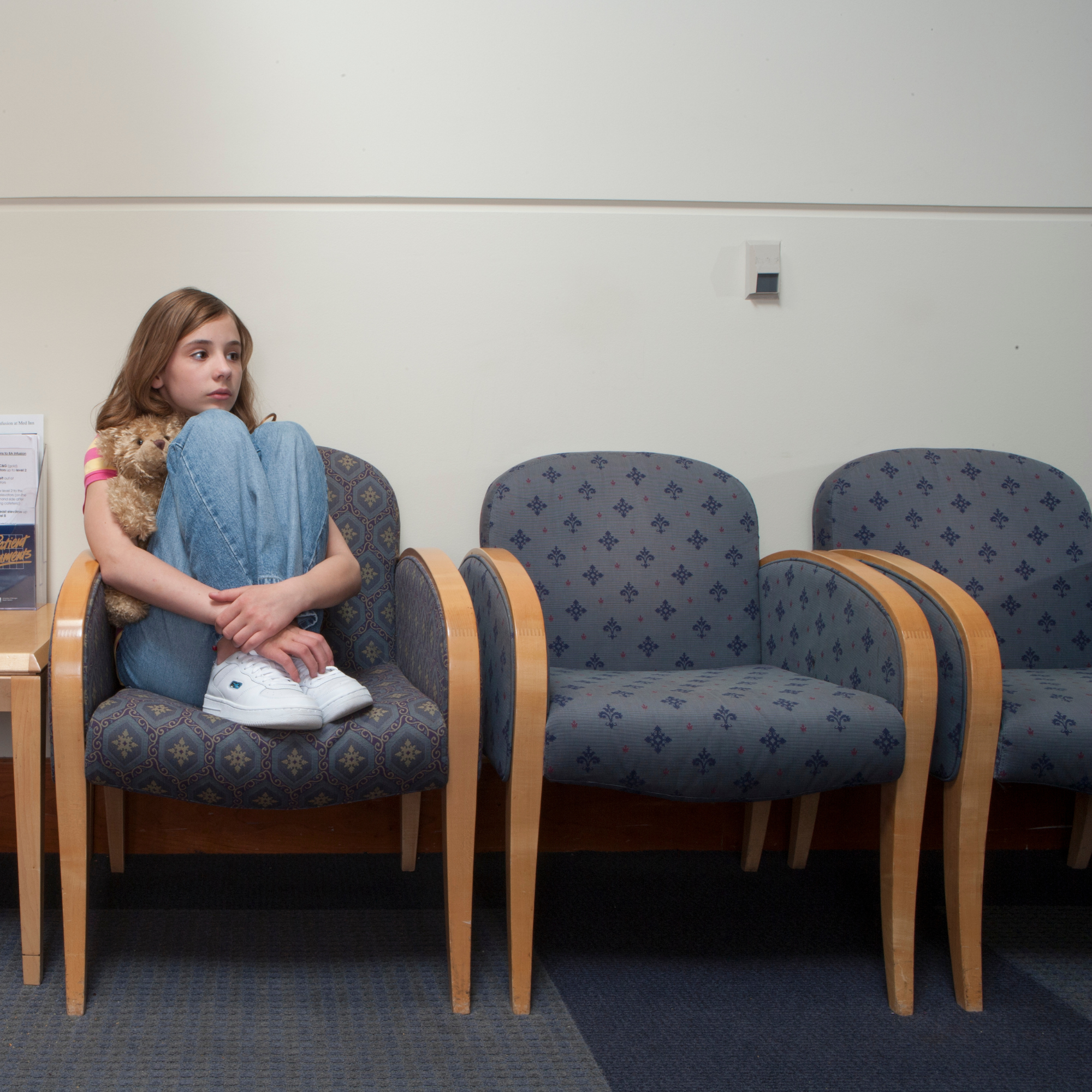
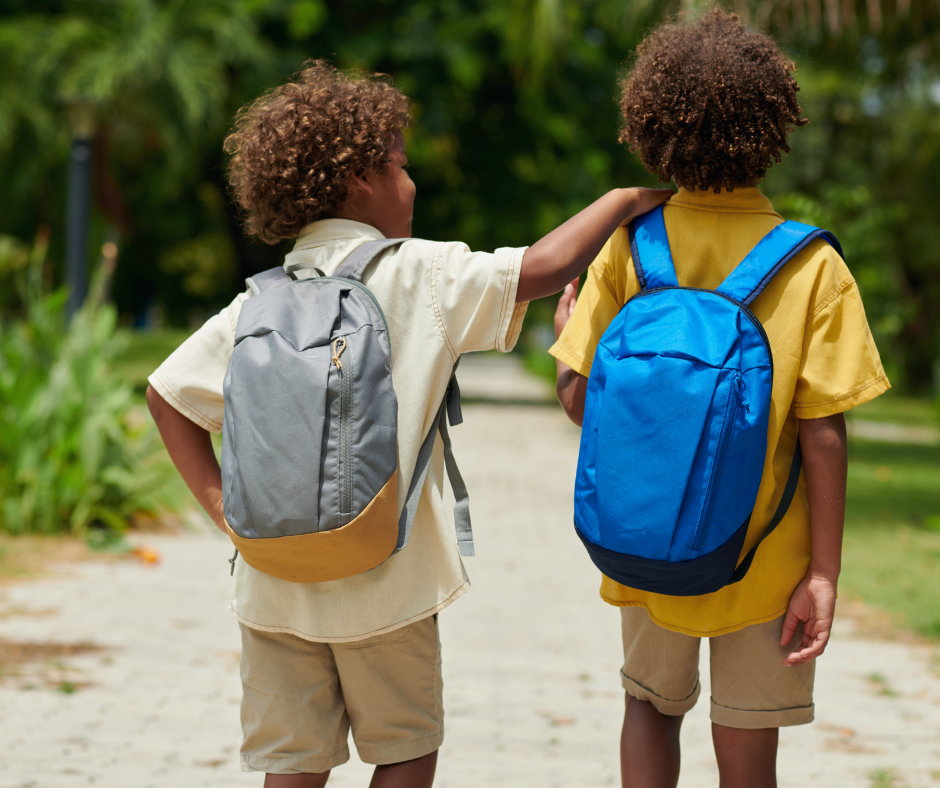
When grieving, each new beginning can feel like a bitter milestone. Going back to school is no exception. As a parent, there are schedules to navigate, supplies to afford, and routines to enforce that can feel like trying to lift a car all by yourself. As a child, there are friends acting normally, reminders of the loss at every school function, and a host of emotions swirling while trying to learn.
Whether it’s the death of a family member, divorce, or some other circumstance, “I didn’t want to be different; I just wanted to be normal again,” and, “I thought I was the only one going through these emotions,” are common sentiments shared by Rainbows participants before their time in our groups. How can we as caring neighbors, parents, and educators make a space for them to express themselves during painful transitions?
- Talk with your kids. Having an open and honest conversation with them about what feelings might come up and that they are okay can be a great start. Here is a resource for having grief conversations with your children.
- Make a plan. From there, you can brainstorm ways for them to cope at school. For example, deep breaths in the library, name five things you can see, smell, hear, etc. Having an exit plan can be helpful too, so they know that if the need arises, they can always make the call to come home or go to a relative or neighbor’s house until you get home. This resource outlines where to start in making a safety plan.
- Reach out to school staff. Communicate with their teachers and the school counselor to make them aware of this new change that your family is navigating and explore ways they can support at school. Even if it is not necessarily a recent family transition, informing your child’s new educational team can go a long way to building a network of support for your child. This resource outlines ways educators and mental health professionals can support kids navigating grief at school.
- Advocate to start a Rainbows group in your school or community. By taking the initiative to share our affordable training and free programing for youth who are facing a variety of losses, you not only are supporting your child, but all of the kids in your community who might be facing similar experiences. Check out our programs page and email info@rainbows.org for more information about how to bring our evidence-based groups to your area.
Remember that there is no “one size fits all” for navigating grief during the school year. There will be bumps and obstacles that you never expected during this new transition. What is important is to stay prepared, connected, and curious about the emotions your entire family is going through. A strong community to lean on never hurts either.
Here is a list of more resources for returning to school with grief:
Normalizing Grief in the Classroom
Classroom Posters (Education to Help a Grieving Friend)
Boundary Setting in School: “Rights of a Person Who is Grieving”
How to make an Individual Student Bereavement Support Plan (ISBSP)