News
Social Wellness in the Modern Age: How Rainbows’ Groups Help Kids

By Liz Falstreau, Community Education and Advocacy Manager
July 15, 2026
This month, we have been spending time with the concept of, “social wellness.” For those who aren’t familiar with the concept, the University of North Dakota defines it as: “ — the dimension of well-being that relates to the quality and health of your interpersonal relationships and social interactions.”
Simple, Right?
At first, it seems like common sense— of course a piece of your well-being depends on your relationships and sense of belonging with others. Then as you go through the National Institutes of Heath’s Social Wellness Toolkit, you start to realize that, like other forms of wellness, there are methods to improving this dimension of your well-being. For anyone who has ever been in a rut, this is a beacon of hope.
Connection in the Modern Age
We live in a time where more than ever we feel disconnected and isolated from one another. When was the last group hang out or family dinner you had that didn’t fizzle out into sitting in a room quietly gazing into your phone wondering why it always comes to this? It’s complicated, but the simple answer is phones feel easier and comfortable because they echo our own values back to us. Socializing with a complex human being can be challenging because what if you are, well, challenged by their viewpoint or interests? Compassion, empathy, respect and understanding take practice. They are the muscles we flex when we show up to help a friend move on a work night, or join a pottery making class, or go on a date. These are all things we have come across in one way or another as adults. Now imagine how difficult it can be to navigate this world as a kid.
Rainbows’ Groups Empower Kids with Social Wellness
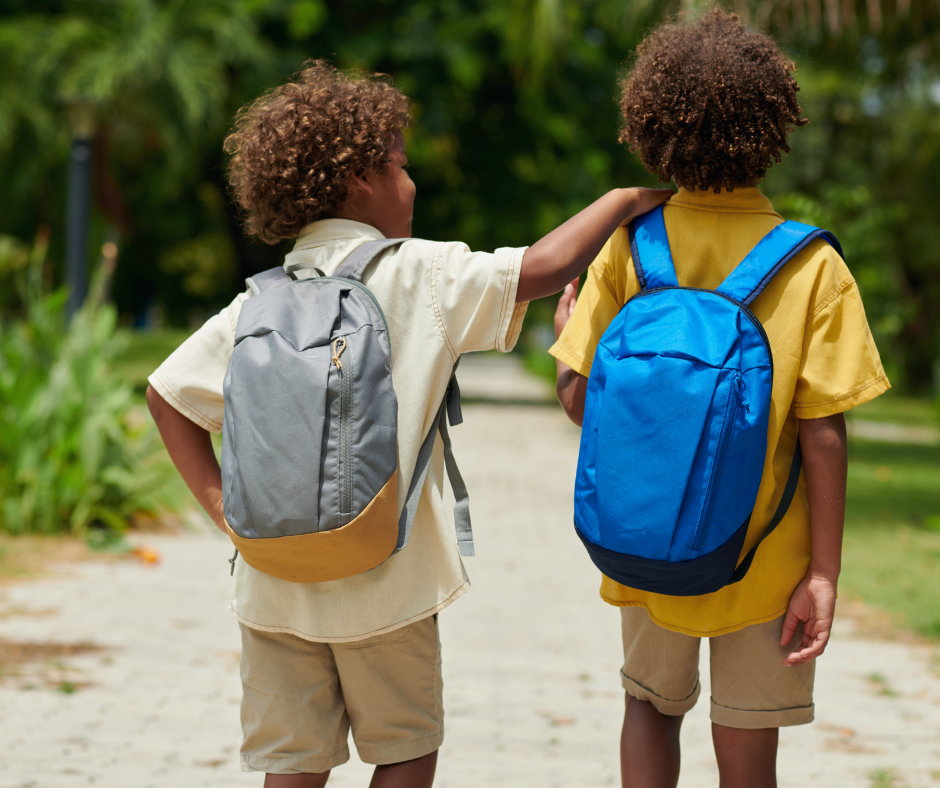
More and more in Rainbows groups we see kids who are not only going through the toughest parts of their lives but who also don’t necessarily have the social wellness tools to navigate the complex parts of the modern world they live in. For them, a Rainbows group can be a revelation. Through Rainbows peer-support groups, they have a space where they are empowered to connect with their peers with tools of social and emotional management and communication. Many Rainbows participants site their groups as the first time they didn’t feel alone. Their fellow group members became their community, their friends, and post-group they had the blueprint to go into new settings with more confidence, excited to connect with others.